
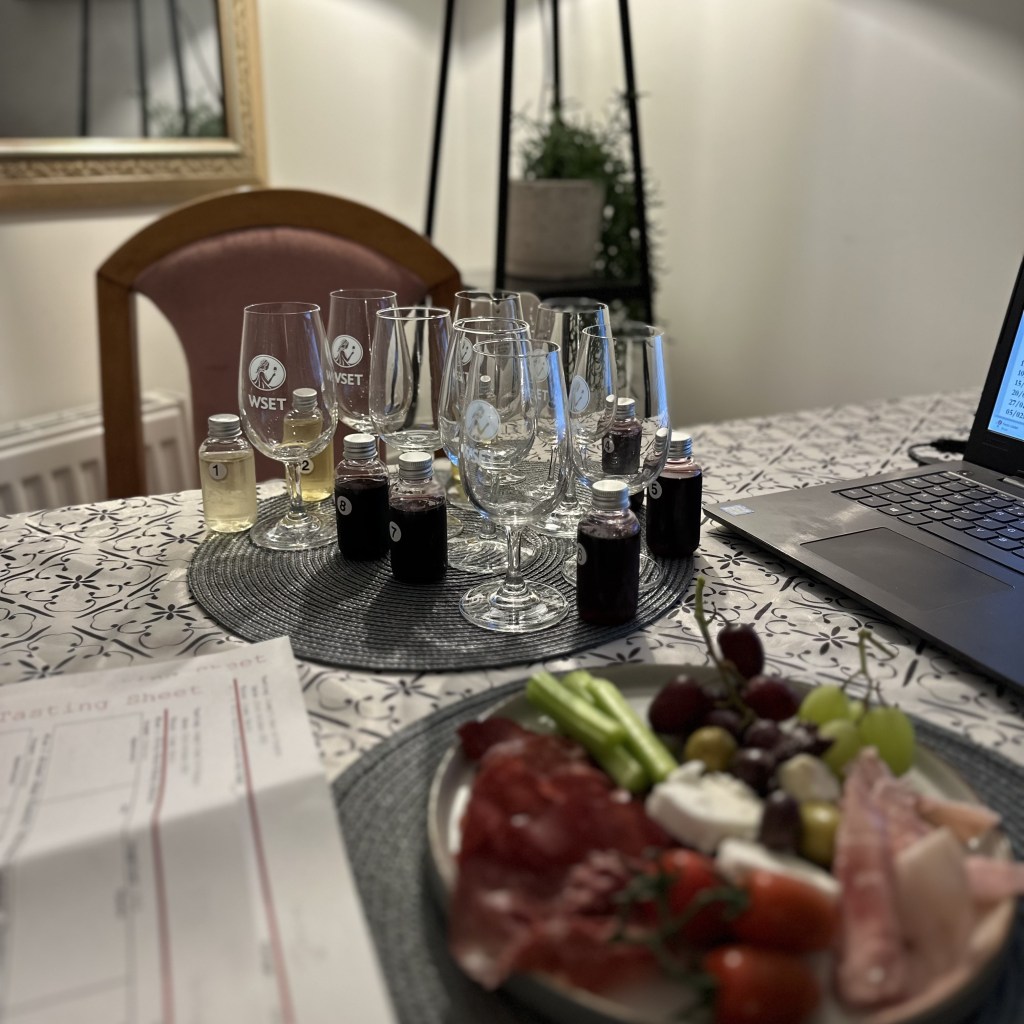
Now it’s time to dive into the wines themselves. We tasted nine impressive bottles from across Virginia, each one revealing something new about this remarkable region. To really understand their story, you need to know the people behind them and the places they call home. Every glass had a sense of heritage and purpose that made you want to learn more.
I’ve included my tasting notes and a look at each winery, so you can see what makes Virginia such an exciting place for wine right now.
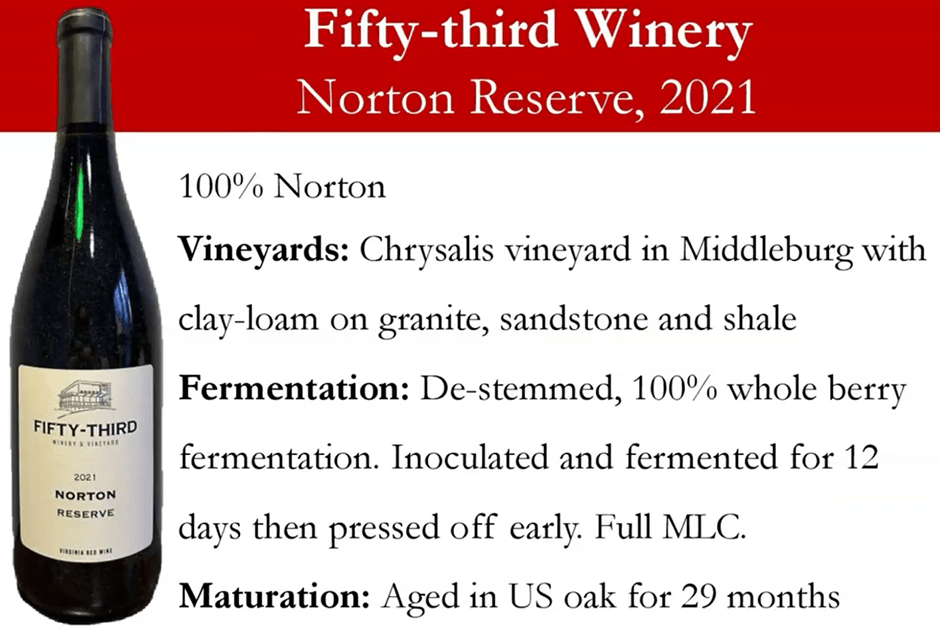
Fifty-Third Winery
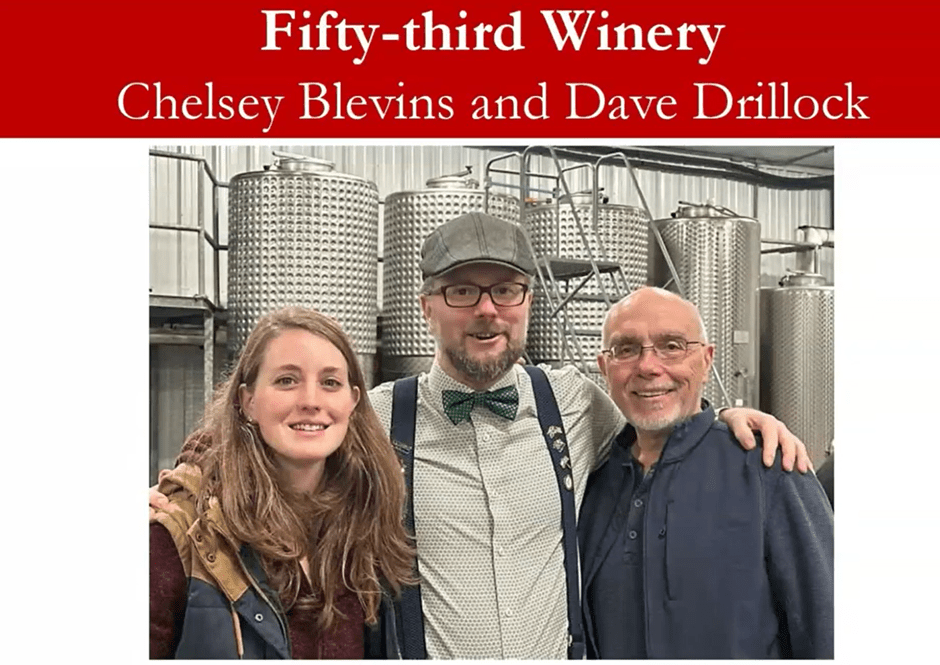
David and Susan Drillock took over the winery back in July 2015, with a simple but powerful mindset: ‘To always push themselves to do better’. Their small farm winery sits near Lake Anna, surrounded by the quiet beauty between Richmond, Fredericksburg, and Charlottesville.
They focus their energy on two vineyards, each with its own character. The Louisa County vineyard has Nason silt loam soils that bring freshness and structure, while the Albermarle/Green County vineyard rests on red clay, adding depth and warmth to the wines.
Their winemaker, Chelsey Blevins, is the real driving force. She knows how to handle the challenging Norton grape, turning it into something truly memorable and proving that Virginia’s native varieties can shine when treated with skills and care.
Barboursville Vineyard
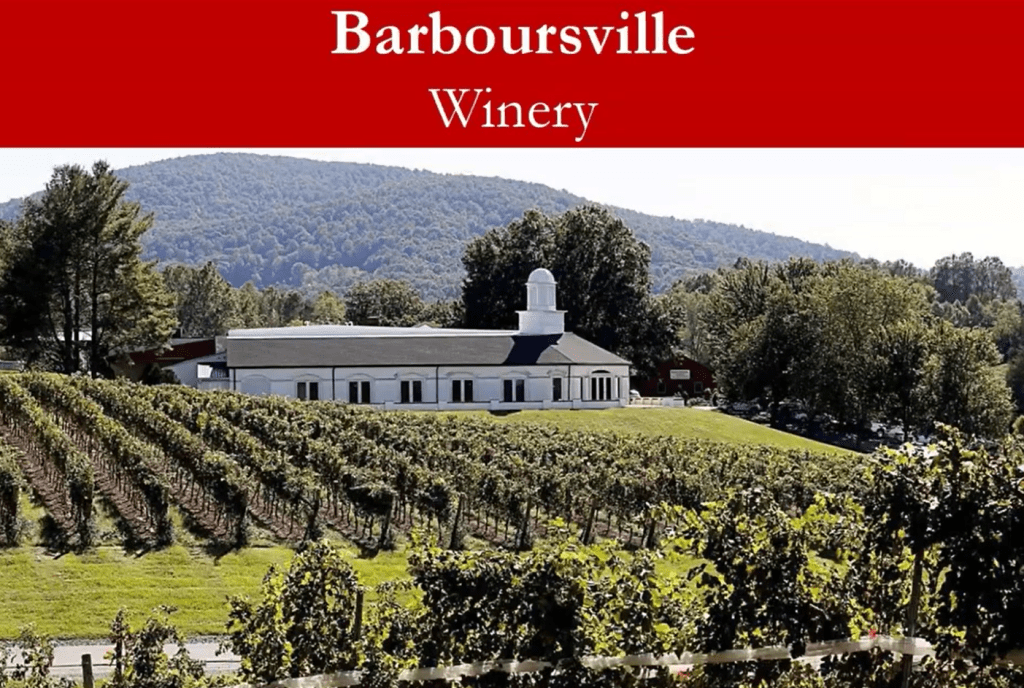
It all began on the 13th April 1976, nearly fifty years ago, when winemaker Gianni Zonin set his sights on Virginia. He believed the region could produce wines to rival the best and wanted to prove it. Inspired by Phillip Mazzei, who had once tried and failed to establish vines here (long before anyone knew phylloxera was to blame), Zonin decided to continue what Mazzei started.
He purchased the historic Barbour property, once owned by James Barbour, a close friend and colleague of Thomas Jefferson. The estate carried history in its soil, and Zonin saw its potential.
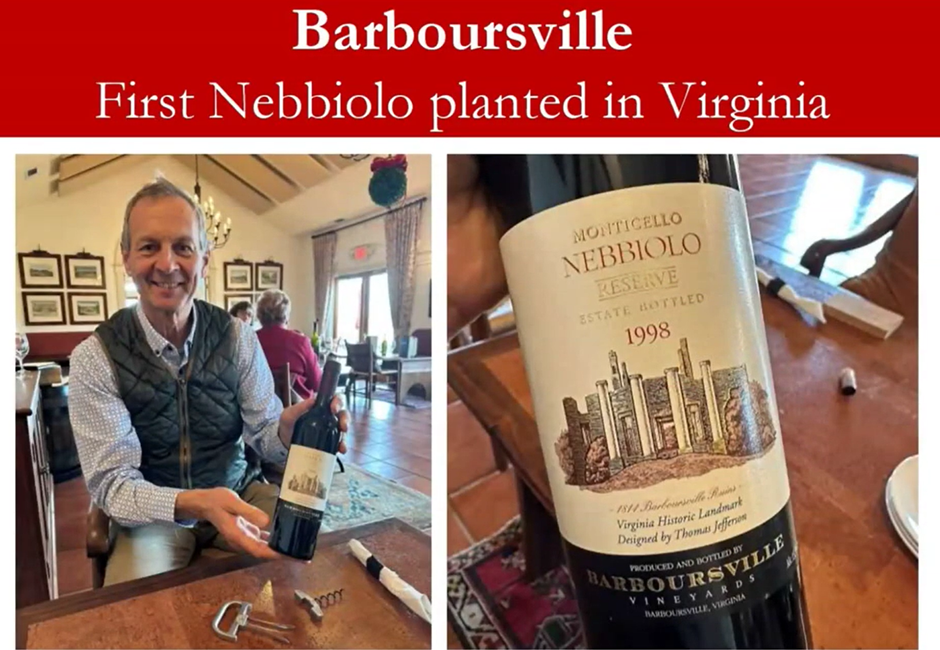
Today, winemaker Luca Paschina leads the way. He planted the first Nebbiolo vines in 1991 and produced the 1st vintage in 1998. At first, the wine didn’t gain much attention, selling for around $40 a bottle. Now, the same Nebbiolo will cost an average of $250, proving how far Virginia has come and how vision, patience and respect for the land can truly pay off.
Michael Shaps Wineworks
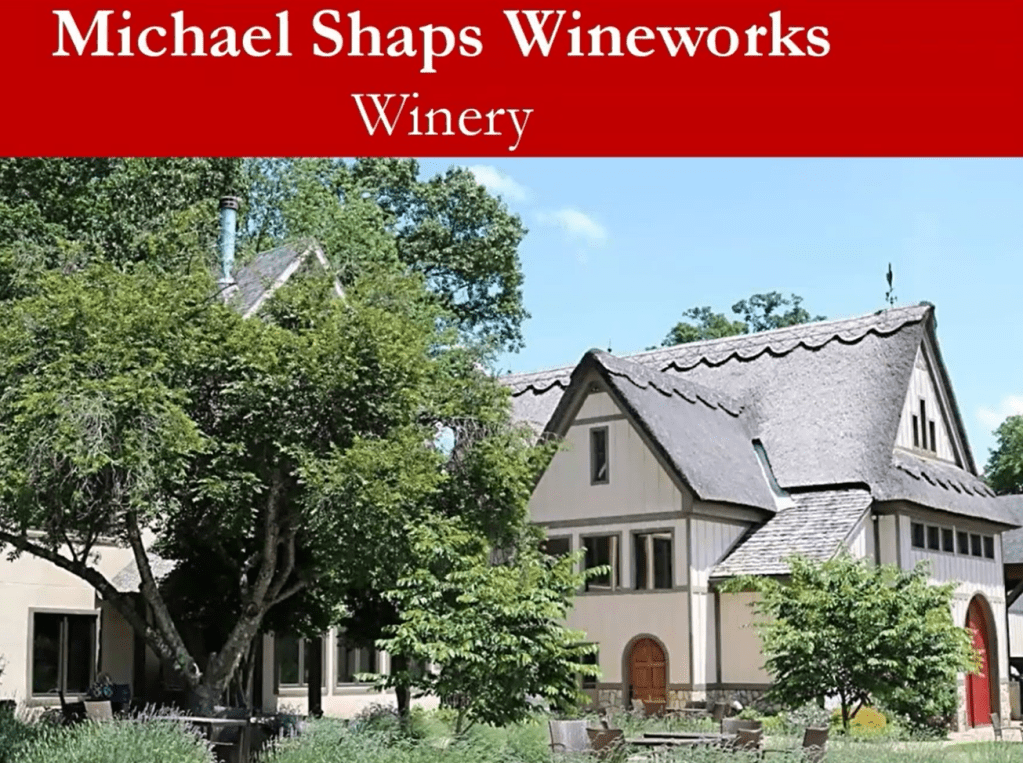
Founded in 2007 and located just 12 miles from Charlottesville, Michael Shaps Wineworks has become one of Virginia’s true benchmarks. Michael set out on a journey to uncover the best vineyard sites the state had to other, and his dedication led him to Shenandoah Vineyards, known for its limestone soils that bring elegance and minerality to the wines.
He also sources from Honah Lee and his own estate vineyard, each site adding a distinct character and complexity to his range. Every bottle reflects a clear vision of craftmanship, respect for terroir and dedicated commitment to quality.
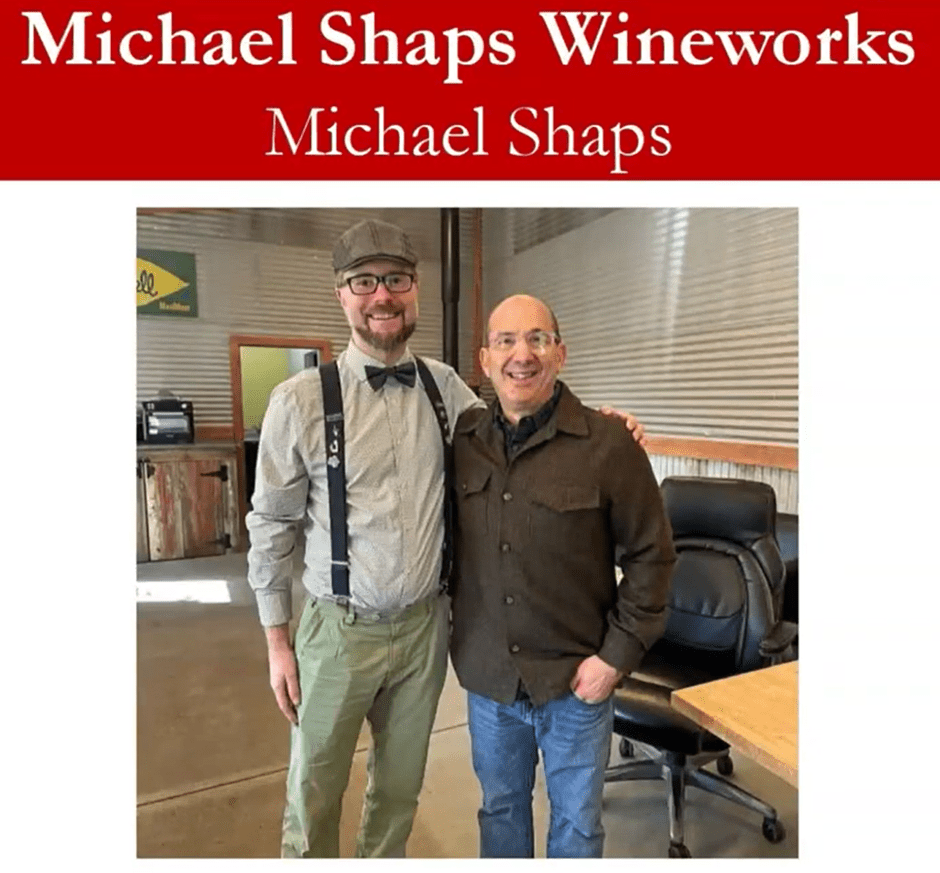
Lightwell Survey
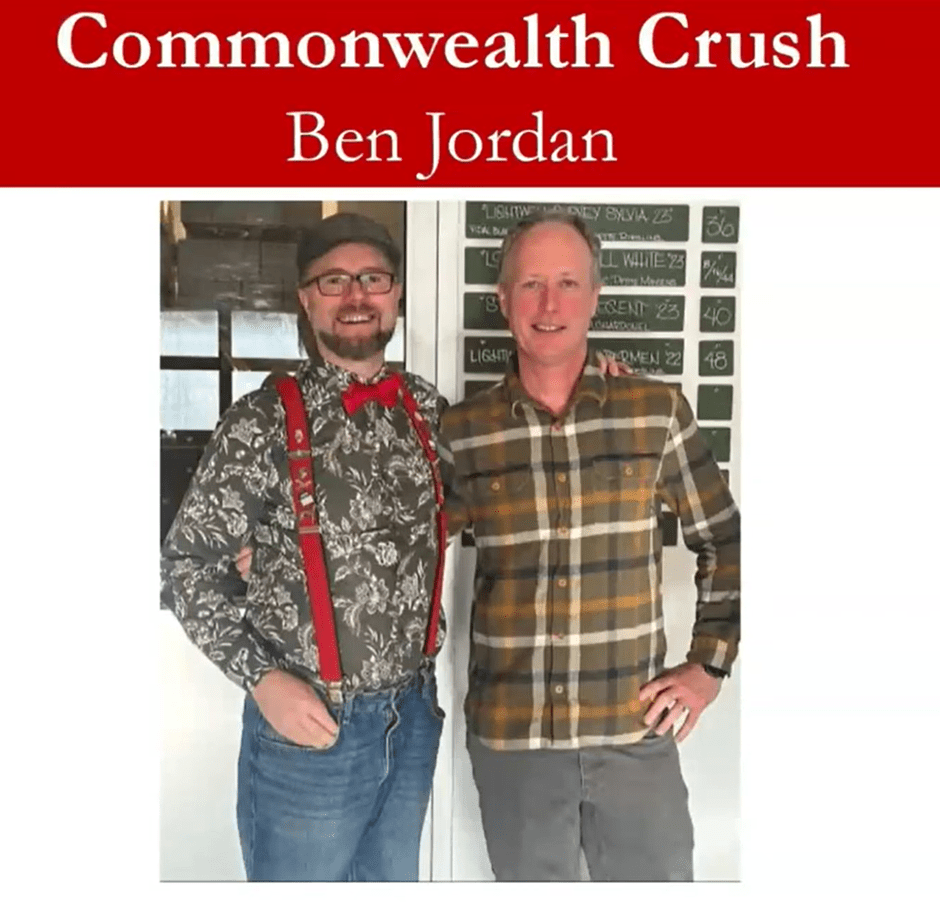
Ben Jordan, founder of Commonwealth Crush, really stood out to me. He has created something special in Virginia, a safe and supportive space for winemakers to grow. Based in an old-style factory, Ben works with around a dozen winemakers, many from non-traditional or disadvantaged backgrounds, giving them the opportunity to create and learn in a hands-on environment.
It is more than winemaking. It is community building. His approach brings fresh voices into Virginia wine and shows how collaboration and mentorship can be as powerful as terroir itself.
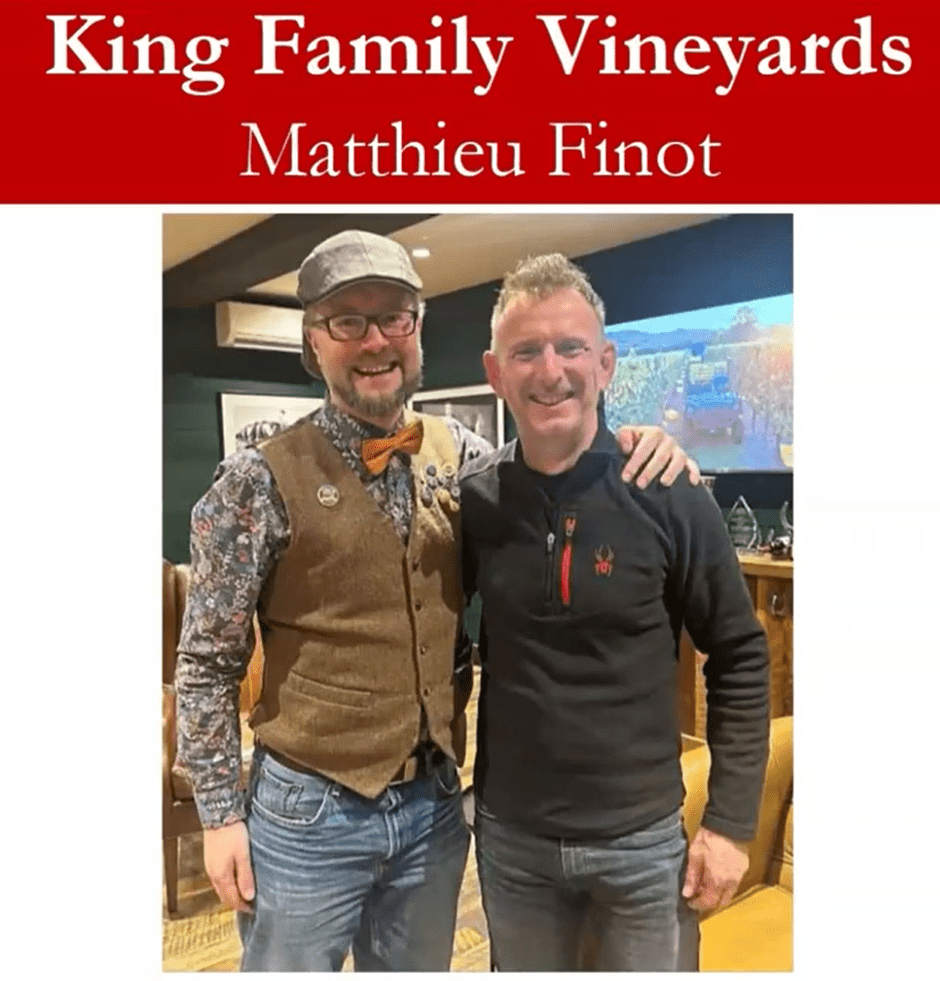
King Family
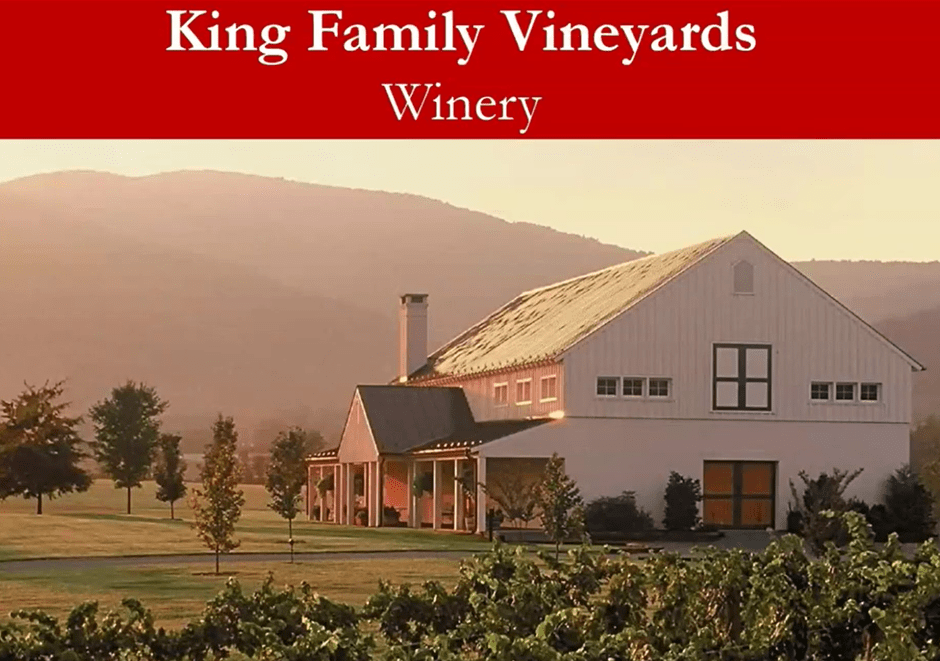
The King Family purchased their 320-acre estate in 1995, not yet realising how special their land really was. That changed when Tom Vandenberg approached them to lease 10 acres for a vineyard. He recognised the potential for growing quality grapes, and that simple request sparked something bigger.
The family decided to plant their own vines, first selling grapes to others before producing wines under their own name. In 2003, winemaker Matthieu Finot joined the team, bringing his French expertise and a fresh perspective. His influence has shaped the wines into something elegant, balanced and truly expressive of Virginia.
Pollak Vineyards
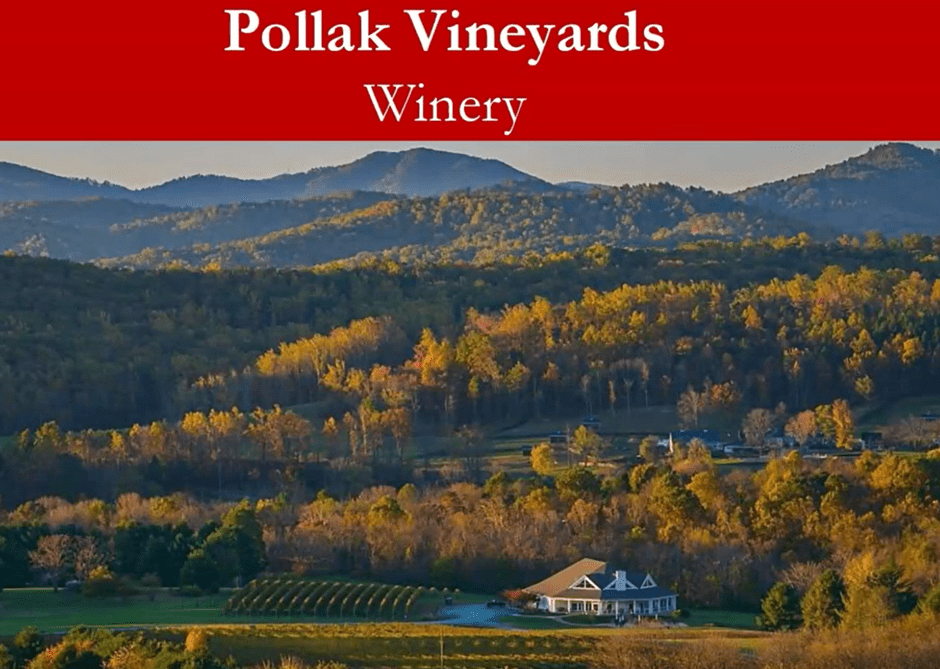
Margo and David Pollak founded Pollak Vineyards with a clear goal, to create wines that reflect both precision and place. Their winery was built in 2008 and quickly became known for producing exceptional Bordeaux-style blends that highlight Virginia’s potential.
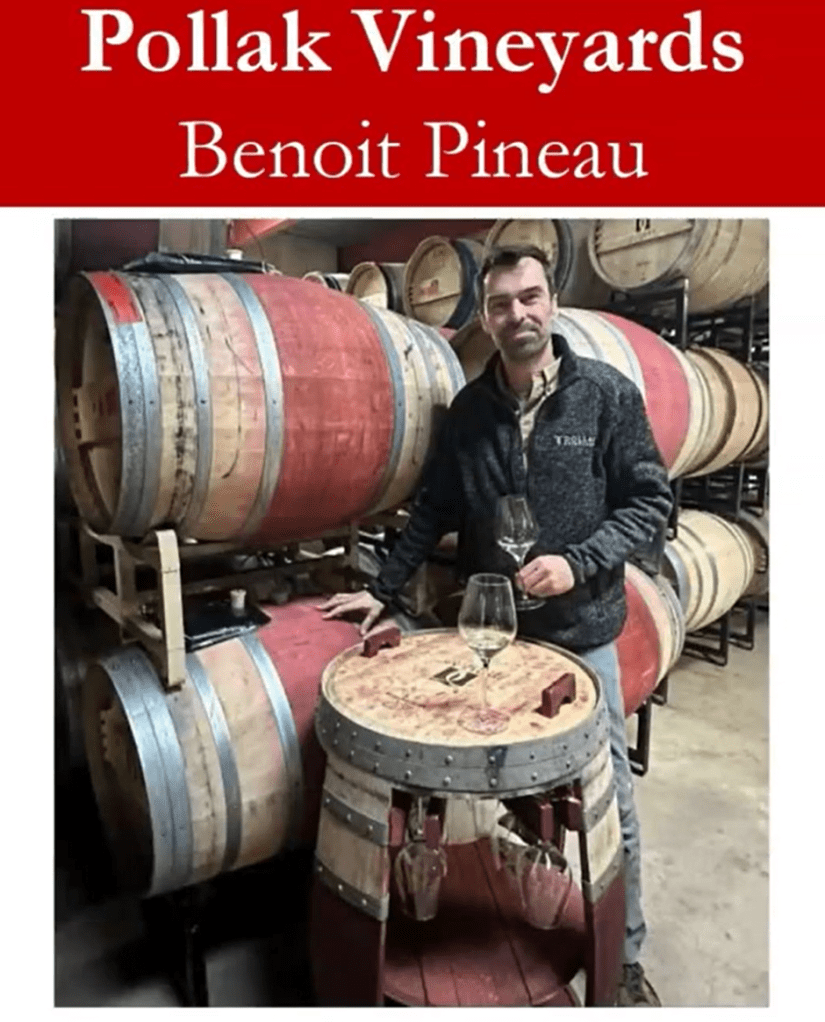
In 2011, winemaker Benoit Pineau joined the team, bringing his Loire Valley experience to the heart of their Cabernet Franc production. His influence has added freshness, balance and an authentic Old-World touch that gives these wines real depth and character.
Tasting Notes:
Wine 1: Prune, dark fruits, meaty, liquorice, cedar .
Wine 2: White pepper, forest, leather.
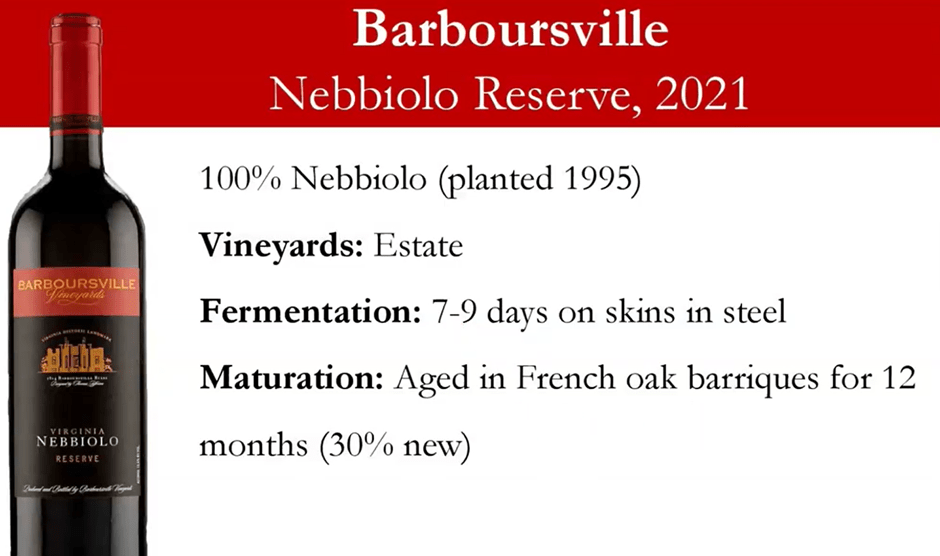
Wine 3: Salty from the chalky soils, herbs and citrus, very fresh.
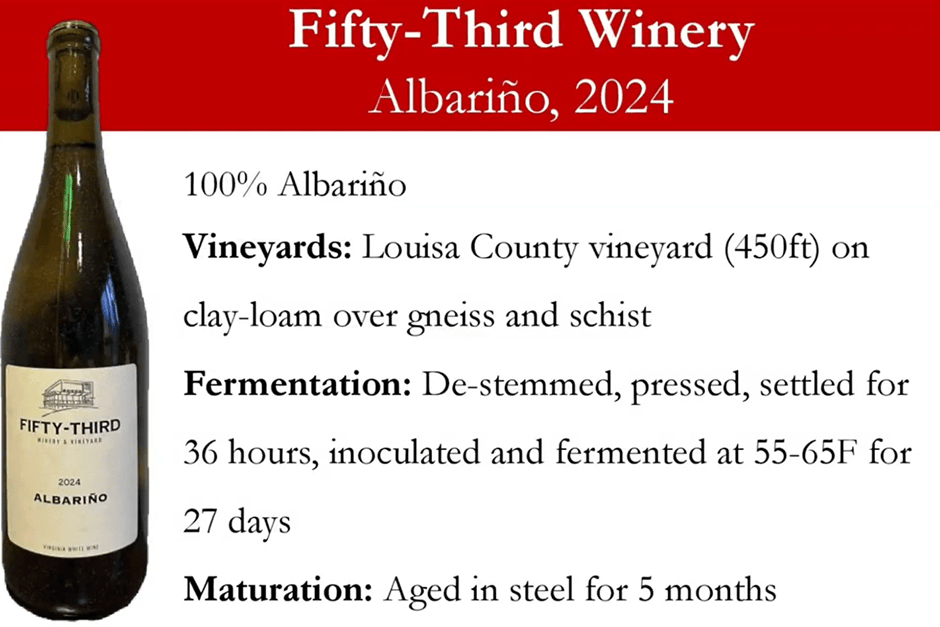
Wine 4: Creamy, nutty and almond.

Wine 5: Honey, Pineapple, apricot
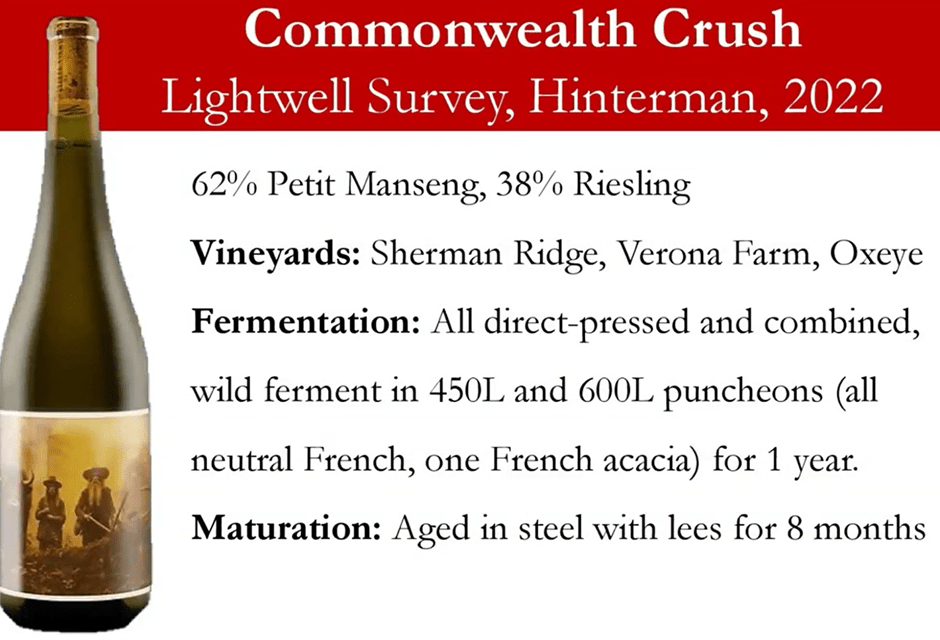
Wine 6: Purple flower, raspberry, cherry.
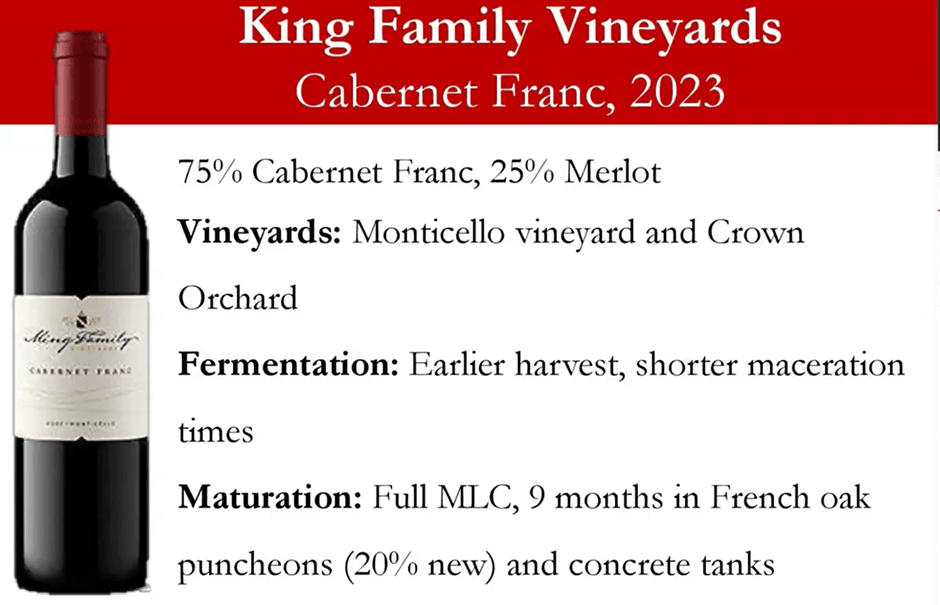
Wine 7: Earthy, leather, tomato stalk and black pepper
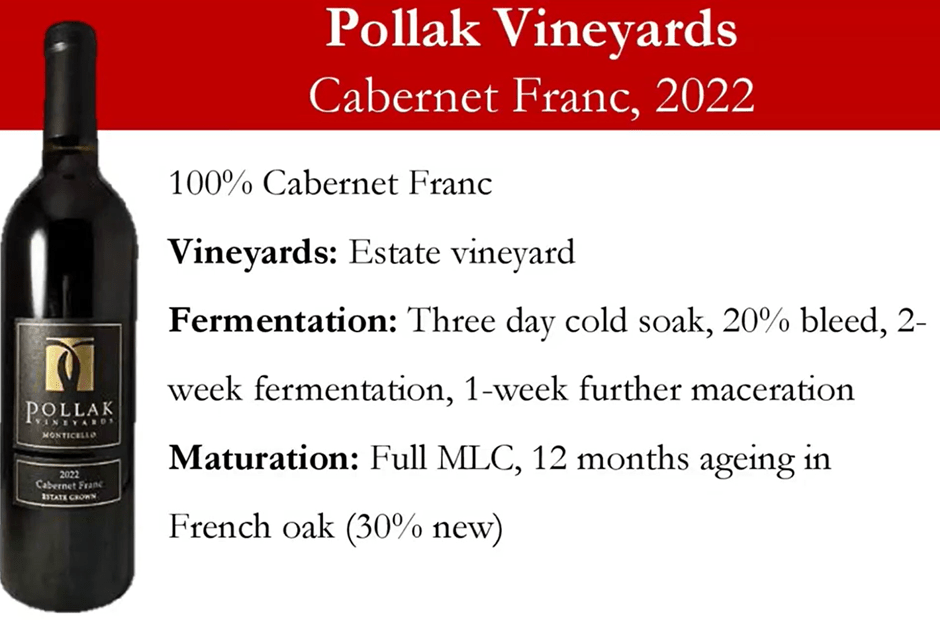
Wine 8: Beetroot, vanilla from Iron Clay soils, menthol
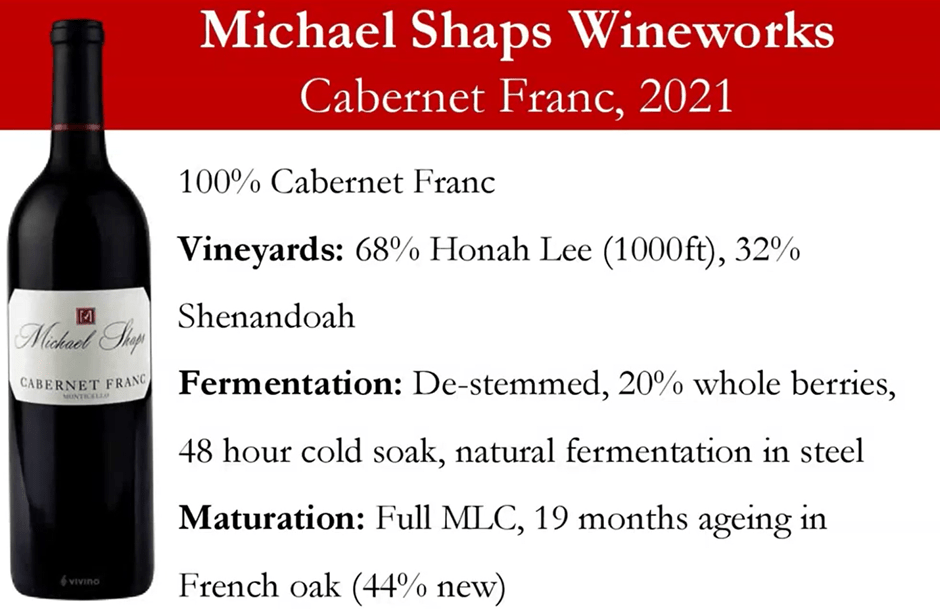
Wine 9: Purple flower, spice, cloves.
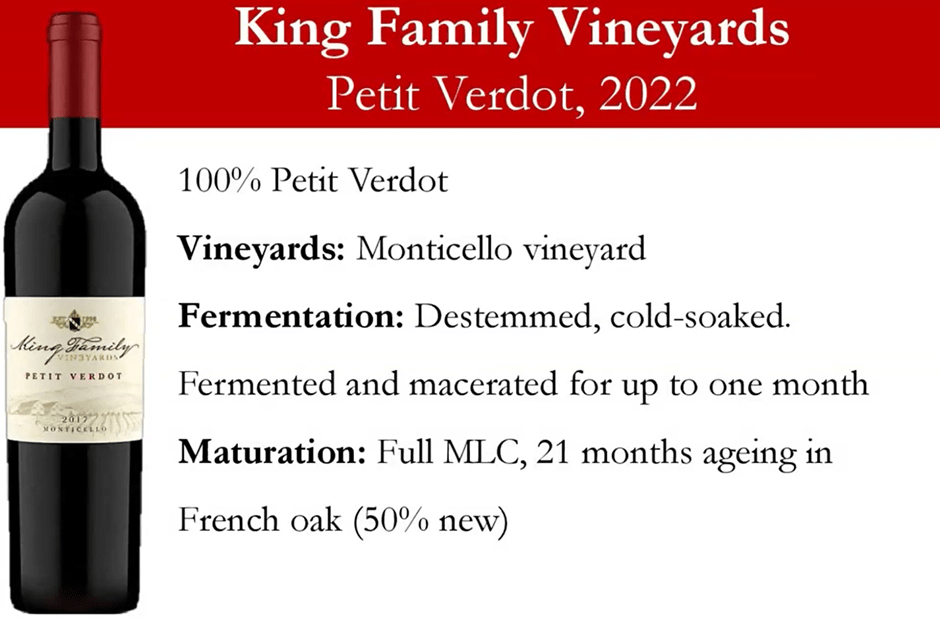
Tasting through the wines of Virginia with Jimmy was a real eye-opener. Every bottle had a story to tell, and you could sense the pride and craftsmanship behind each pour. The Norton was the real surprise for me. Bold, expressive, and beautifully handled by Chesley, a winemaker with clear talent and vision. It completely changed how I view American grape varieties.
The Nebbiolo showed elegance and depth, proof of how far Virginia’s winemaking has come. The Chardonnay stood out for me too, perfectly balanced and textured, offering remarkable quality for its price. I would happily fill my suitcase with these bottles if I ever made it over there. The Cabernet Franc gave a clear taste of place, each sip revealing another layer of the region’s identity, while the Petit Verdot closed the tasting with richness, structure and real promise.
This tasting was more than discovering wines. It was about understanding a region, its people and the potential behind every vineyard. Virginia might not have been on my radar before, but it certainly is now.
What I enjoy most about Jimmy’s events is the depth of knowledge he brings. He always weaves in the history, context and personality of a region, and his enthusiasm is contagious. I found myself wanting to know more, listening, learning and sipping along with every slide. The introduction to new grape varieties and the stories of perseverance made this masterclass one to remember. Virginia is a fascinating wine region and one I will be keeping a close eye on from now on.
All media and information for these two blogs were gathered from Jimmy Smith’s online masterclass and the official winery websites.
 Sharing my wine knowledge